Education is one of the most powerful tools for personal growth and the development of society. It provides people with the knowledge, skills, values, and confidence they need to build better lives and contribute positively to their communities. From early childhood education to higher learning and professional development, education plays an important role at every stage of life.
1. Builds Knowledge and Understanding
Education helps individuals understand the world around them. Through learning, students develop knowledge in areas such as science, mathematics, language, history, technology, and the arts. This knowledge helps them make informed decisions and understand different ideas, cultures, and perspectives.
2. Develops Essential Life Skills
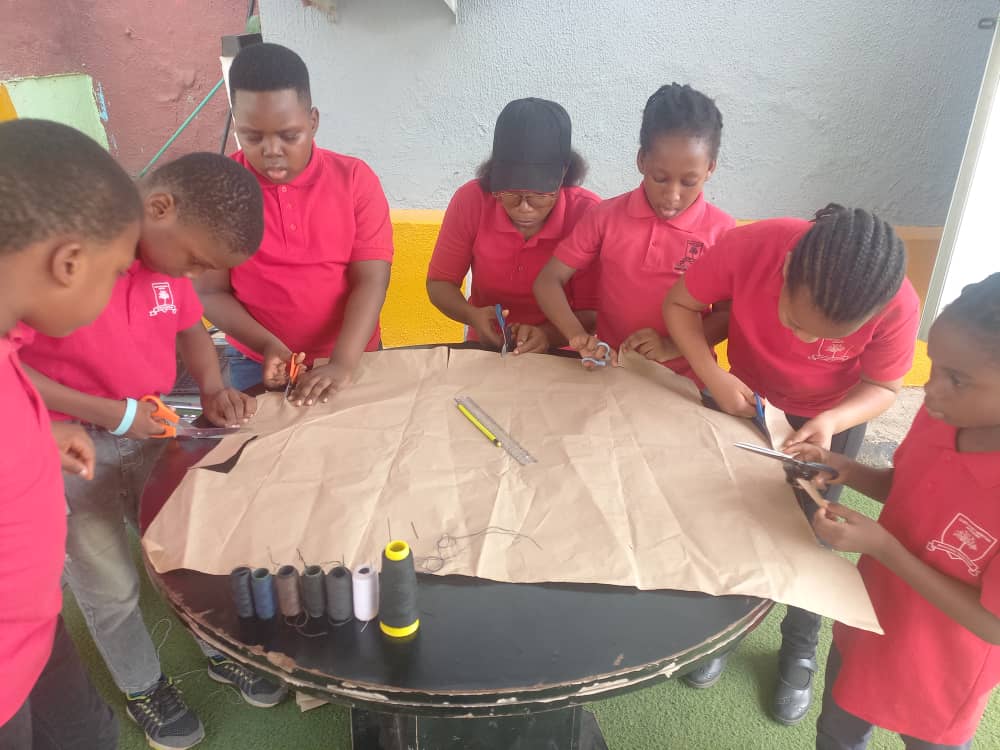
Education goes beyond academic subjects. It helps children and young people develop communication, problem-solving, teamwork, critical thinking, creativity, and decision-making skills. These abilities are essential for handling challenges both in school and in everyday life.
3. Creates Opportunities for the Future
A good education can open the door to better career and employment opportunities. It provides learners with the qualifications and practical skills needed to pursue their chosen professions and compete in an increasingly changing world.
4. Builds Confidence and Character
Education helps students discover their abilities and develop confidence in themselves. A supportive learning environment also encourages discipline, responsibility, respect, honesty, perseverance, and other positive values that help shape strong and responsible individuals.
5. Encourages Critical Thinking
Education teaches learners how to ask questions, evaluate information, analyse problems, and make reasoned decisions. These skills are particularly important in today’s world, where people are exposed to large amounts of information from different sources.
6. Promotes Social Development
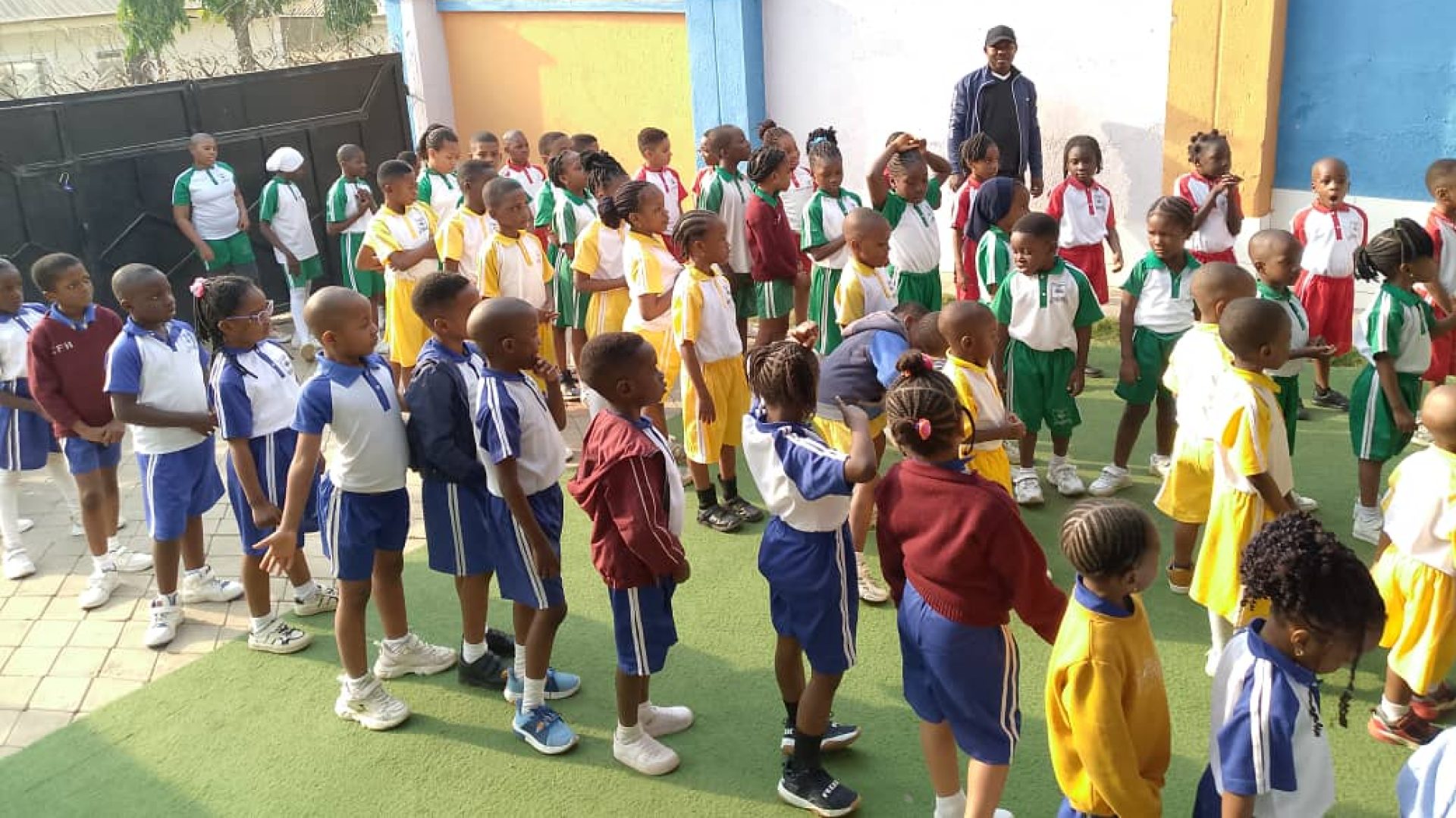
Schools bring together children from different backgrounds and provide opportunities for them to interact, cooperate, and learn from one another. Education promotes respect, tolerance, empathy, and understanding, helping to create stronger and more peaceful communities.
7. Supports Economic Growth
Education contributes significantly to the development of a country’s economy. A well-educated population is better equipped to develop new ideas, create businesses, use technology, improve productivity, and contribute to innovation and economic progress.
8. Prepares Children for a Changing World
The world is constantly changing because of technology, science, globalisation, and new ways of working. Education prepares students to adapt to these changes by developing their ability to learn, think creatively, use technology responsibly, and acquire new skills throughout their lives.
9. Encourages Lifelong Learning
Education should not end when a student leaves school. It creates a foundation for lifelong learning and encourages individuals to continue developing their knowledge and skills. A person who develops a love for learning is better prepared to grow personally and professionally throughout life.
Conclusion
Education is much more than gaining academic qualifications. It is about developing the whole person—building knowledge, character, confidence, skills, and a sense of responsibility. It empowers individuals to achieve their potential while contributing to the development of their families, communities, and society.
Investing in quality education is therefore an investment in the future. By giving children the opportunity to learn, explore, create, and grow in a supportive environment, we help prepare them not only for academic success but also for a successful and meaningful life.