

Every year on 1 October, Nigerians come together to celebrate Independence Day, a significant national occasion that marks the day Nigeria gained independence from British colonial rule in 1960. It is a day of celebration, reflection, patriotism, and hope for the future of our great nation.
The Journey to Independence
Before independence, Nigeria was under British colonial administration. Over time, Nigerians increasingly demanded the right to govern themselves and determine their own future. Nationalist leaders, political organisations, and ordinary citizens played important roles in the long journey towards self-government.
Among the prominent Nigerian leaders associated with the independence era were Dr. Nnamdi Azikiwe, Sir Abubakar Tafawa Balewa, Chief Obafemi Awolowo, and Sir Ahmadu Bello. Their political contributions, together with the efforts of many other Nigerians, helped advance the demand for self-government.
After years of constitutional discussions and political developments, 1 October 1960 was agreed upon as the date for Nigeria’s independence. The Nigeria Independence Act of 1960 formally brought British colonial rule to an end and established Nigeria as a sovereign nation within the Commonwealth.
October 1, 1960 — A Historic Day
On 1 October 1960, Nigeria officially became an independent nation. The historic celebrations took place in Lagos, then the country’s capital.
At the independence ceremony, the British Union Jack was lowered and Nigeria’s green-white-green flag was raised, symbolising the beginning of a new chapter in the nation’s history. Princess Alexandra represented Queen Elizabeth II at the ceremony, while Sir Abubakar Tafawa Balewa became Nigeria’s first Prime Minister. Dr. Nnamdi Azikiwe later became the country’s first Nigerian Governor-General.
The occasion was celebrated with great excitement across the country. Nigerians gathered for ceremonies, cultural performances, music, dancing, speeches, and other activities as they welcomed the beginning of self-government.
The Meaning of Independence
Independence means more than simply having a national flag or celebrating a particular date. It represents the right of a nation and its people to govern themselves, make their own decisions, develop their institutions, and determine their future.
For Nigeria, independence represented an opportunity to build a nation based on unity, development, justice, education, and prosperity.
It also came with responsibility. Freedom requires citizens to contribute positively to their communities, respect one another, obey the law, protect national resources, and work together for the progress of the country.
The Nigerian Flag: A Symbol of Unity
The Nigerian flag is one of the most recognisable symbols of the nation. Its green-white-green design represents important aspects of Nigeria’s national identity.
Green is commonly associated with Nigeria’s rich agricultural resources and natural environment, while white represents peace and unity.
The flag reminds Nigerians that despite differences in language, culture, ethnicity, religion, and geographical location, we are all part of one nation.
Independence and the Role of Education
Education has an important role to play in preserving the meaning of independence for future generations.
Children who learn about Nigeria’s history understand the sacrifices, struggles, achievements, and responsibilities that come with nationhood. History education can also help young people appreciate the importance of unity, patriotism, leadership, tolerance, and responsible citizenship.
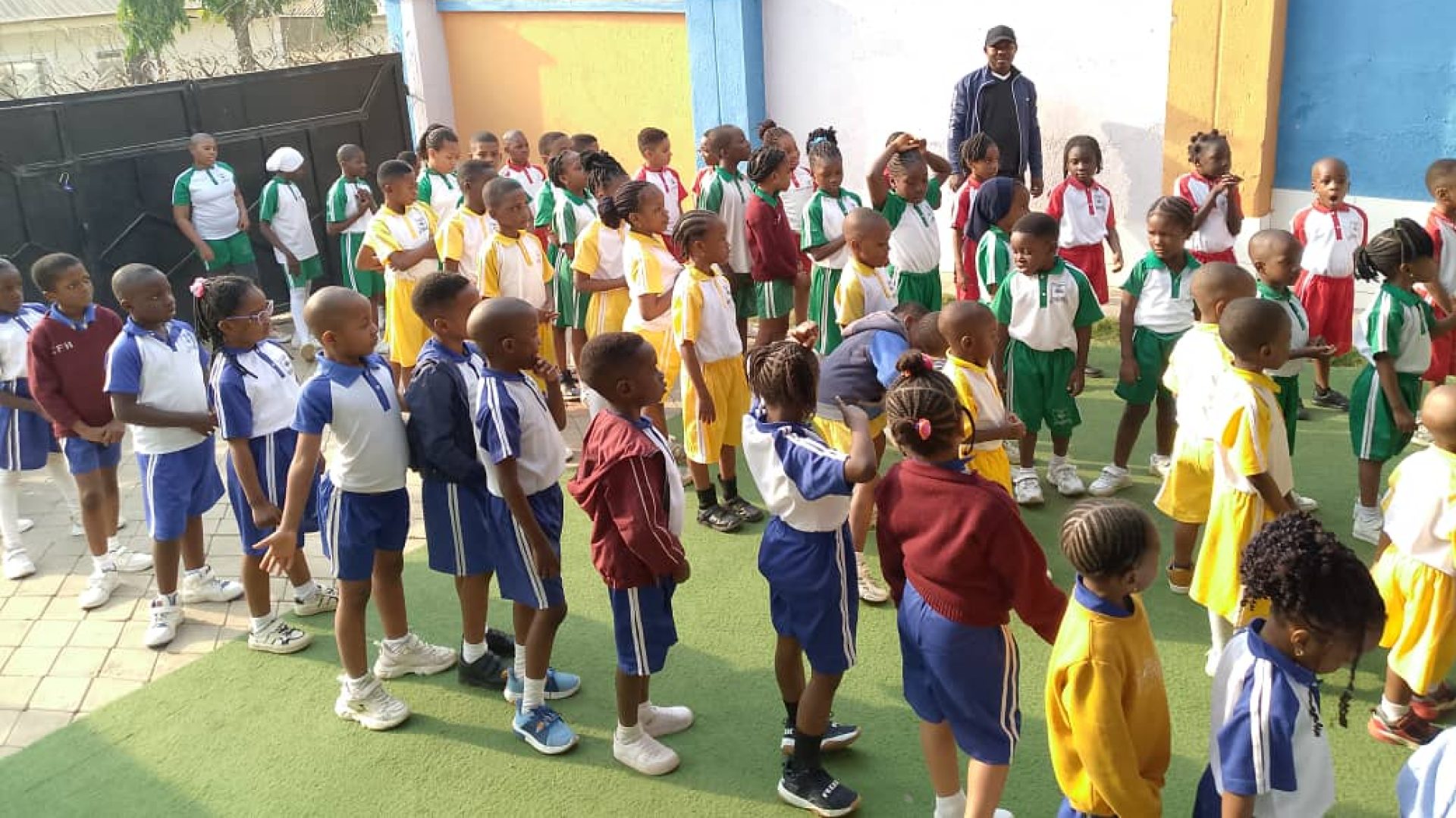
At Clem-Fort Heritage Academy, we believe that education should prepare children not only for academic success but also to become responsible and confident members of society. Learning about significant moments in Nigeria’s history helps our pupils understand their heritage and appreciate the role they can play in building the future.
A Responsibility to the Next Generation
Independence gives every generation an opportunity to reflect on where the nation has come from and where it should be heading.
For today’s children, the Nigeria of tomorrow is in their hands. They are the future teachers, doctors, engineers, scientists, entrepreneurs, leaders, innovators, and community builders.
By providing children with quality education, strong values, critical-thinking skills, and a sense of responsibility, we can help prepare them to contribute meaningfully to the development of Nigeria.
Celebrating Nigeria with Hope
Nigeria’s independence is both a celebration of the past and a reminder of our responsibility towards the future.
As we celebrate Independence Day, let us remember those who contributed to the journey towards self-government and honour their legacy by promoting peace, unity, hard work, integrity, and education.
Let us teach our children to love their country, respect its diversity, value its heritage, and believe in its potential.
Happy Independence Day, Nigeria!