Every child deserves to grow up in a safe, caring, and supportive environment where they can learn, play, develop, and achieve their full potential. Child rights are the basic rights and freedoms that every child is entitled to, regardless of their background, gender, religion, disability, or family circumstances.
Understanding and protecting child rights is an important responsibility shared by parents, schools, communities, governments, and society as a whole.
What Are Child Rights?
Child rights are the rights that protect children and ensure that they have the opportunity to grow and develop in a healthy and supportive environment. These rights recognise that children need special care and protection because they are still developing physically, emotionally, socially, and intellectually.
Every child deserves to be treated with dignity, kindness, fairness, and respect.
The Right to Education
Education is one of the most important rights of every child. Every child should have access to quality education that helps them develop their knowledge, talents, skills, and confidence.
Schools play an important role in providing a safe and welcoming environment where children can learn without fear of discrimination, bullying, or abuse.
Education also helps children understand their responsibilities and prepares them to become responsible members of society.
The Right to Protection
Children have the right to be protected from violence, abuse, neglect, exploitation, trafficking, and harmful practices.
Adults have a responsibility to create environments where children feel safe and are encouraged to speak up when something is wrong. Parents, teachers, caregivers, and other trusted adults should listen to children and take their concerns seriously.
The Right to Health and Well-being
Every child has the right to proper healthcare, nutritious food, clean water, sanitation, and a healthy environment.
Children need both physical and emotional care to grow properly. Supporting their mental and emotional well-being is also an important part of ensuring that they develop into healthy and confident adults.
The Right to a Name and Identity
Every child has the right to a name, nationality, and identity. A child’s identity helps establish their connection to their family, community, and country.
Parents and caregivers have an important role in ensuring that children are properly registered and that their identity is protected.
The Right to Family and Care
Children have the right to grow up in a loving and caring family environment whenever possible. Parents and caregivers have the responsibility to provide children with care, guidance, protection, and support.
Children need positive relationships with trusted adults to develop confidence, emotional security, and a strong sense of belonging.
The Right to Be Heard
Children have the right to express their views and feelings on matters that affect them. This does not mean that children make every decision, but their opinions should be listened to and considered appropriately according to their age and maturity.
When adults listen to children, they help them develop confidence, communication skills, and a sense of responsibility.
The Right to Play and Rest
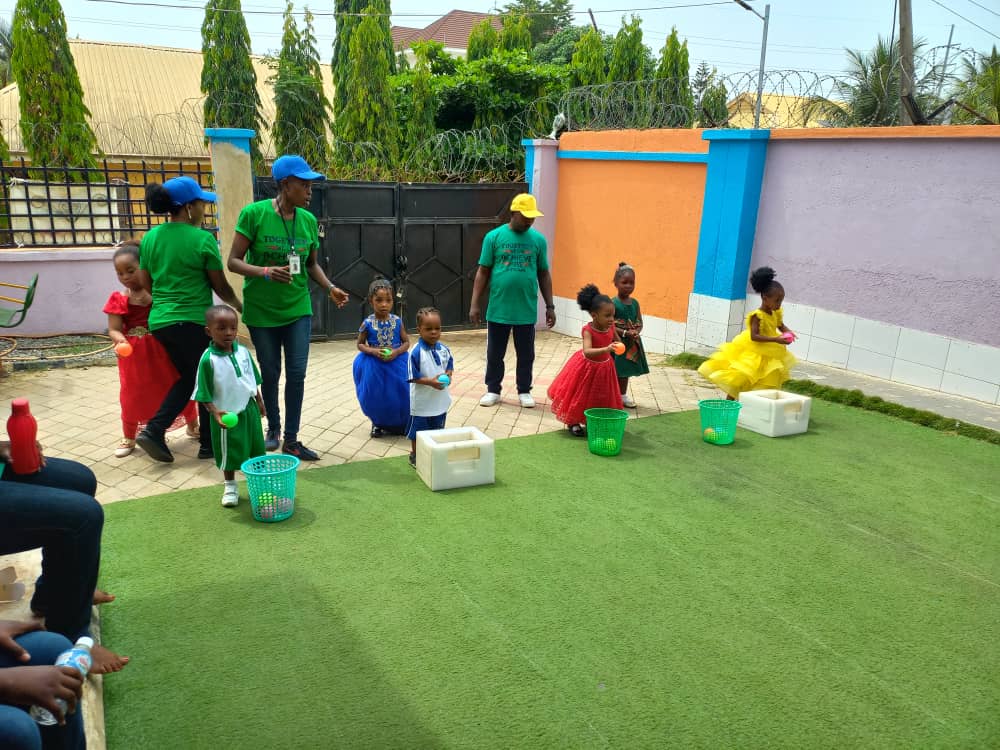
Childhood should not be entirely focused on academic work. Children also need time to play, rest, explore, create, and interact with others.
Play helps children develop physically, socially, emotionally, and intellectually. It encourages creativity, teamwork, communication, and problem-solving.
The Importance of Child Rights in Schools
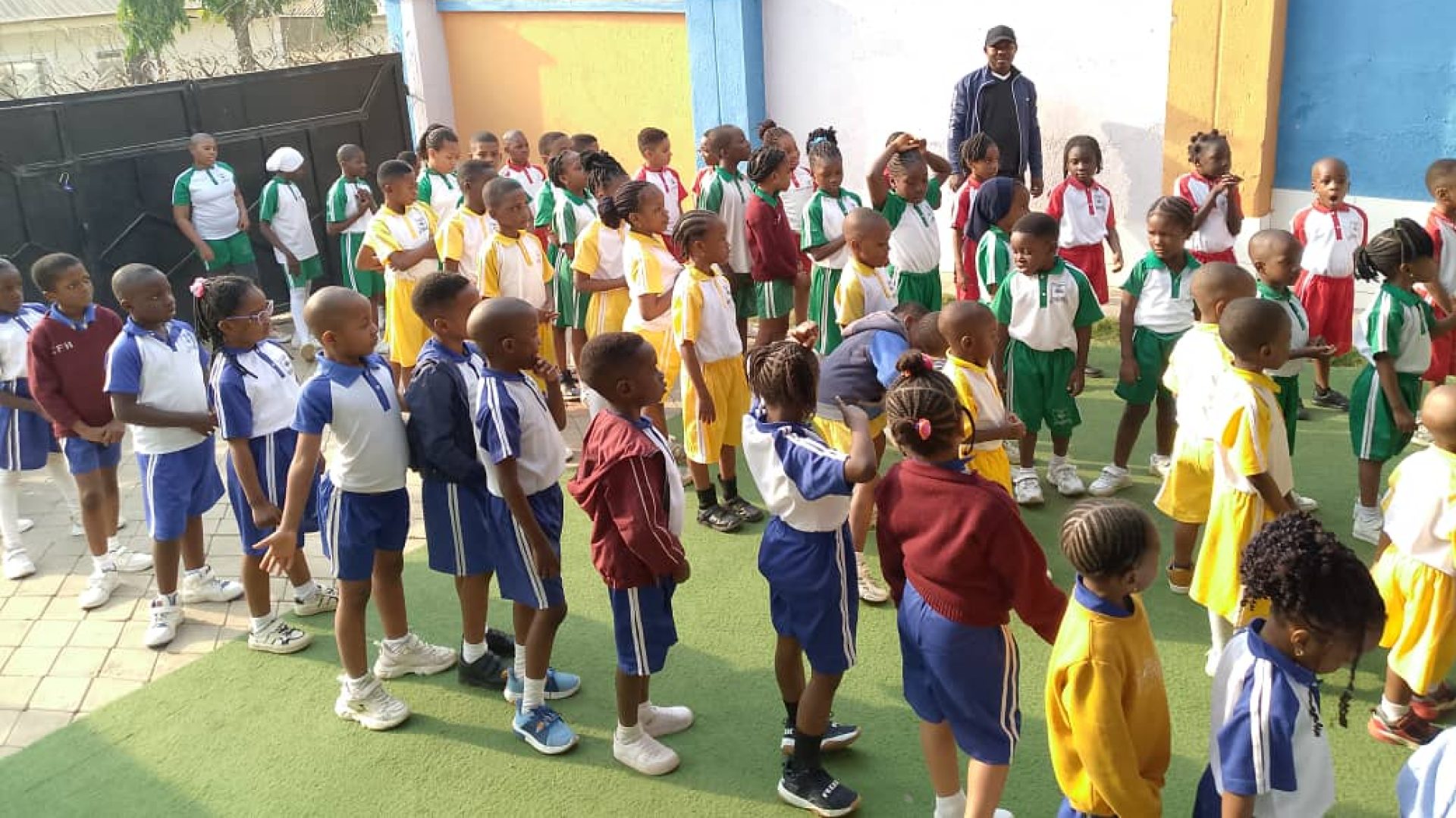
Schools are more than places where children study academic subjects. They are environments where children learn how to interact with others, develop their talents, build confidence, and understand their responsibilities.
A child-friendly school should promote:
- Respect and dignity for every child
- Equal opportunities for learning
- Protection from bullying and abuse
- A safe and supportive learning environment
- Positive relationships between teachers and pupils
- Opportunities for children to express themselves
- Fair and respectful discipline
At Clem-Fort Heritage Academy, we believe that every child should be valued, respected, protected, and given the opportunity to learn and grow in a nurturing environment.
Teaching Children About Their Rights
Children should know their rights, but they should also understand that rights come with responsibilities.
For example, while a child has the right to be respected, they should also respect others. While they have the right to express their opinions, they should learn to communicate respectfully. Understanding this balance helps children become responsible and considerate members of their communities.
Our Shared Responsibility
Protecting children’s rights is not the responsibility of parents or governments alone. Everyone has a role to play.
Parents provide care and guidance. Teachers create safe learning environments. Communities protect children and support families. Governments create laws and systems that safeguard children’s welfare.
When these groups work together, children have a greater opportunity to grow up safe, confident, educated, and prepared for the future.
Conclusion
Every child deserves the opportunity to learn, grow, play, dream, and reach their full potential. Protecting child rights is therefore an investment in both individual children and the future of society.
As we educate and raise the next generation, let us remember that children are not only our future—they are also valuable members of society today.
Every child matters. Every child deserves protection. Every child deserves an opportunity to thrive.